


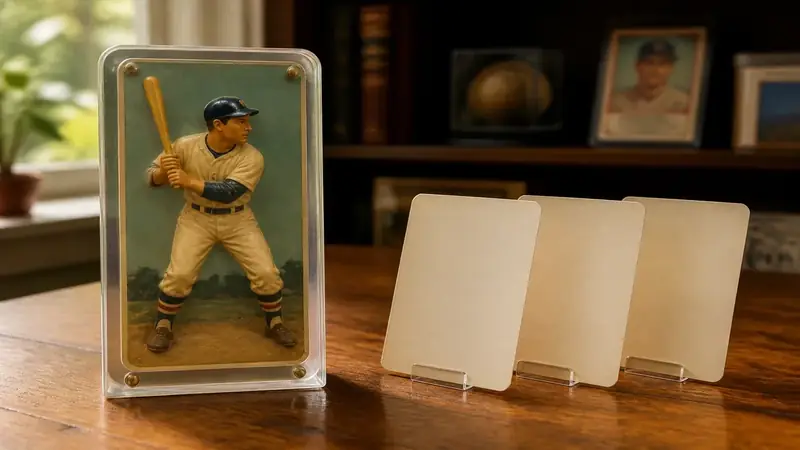
Value drivers for eight common categories
Age alone sets almost nothing. Two items from the same year can sit far apart in price because of one printed number or a missing box. This table lists what usually moves the price in each category and what to look at first.
| Category | What drives value | Where to look | What cuts value |
|---|---|---|---|
| Comics | Grade, first appearances, key issues, print run | Cover, spine, issue number, indicia page | Creases, spine splits, missing pages, tape |
| Vinyl records | Pressing, label, sleeve condition | Matrix numbers in the run-out groove, label text | Scratches, ring wear, split seams, writing |
| Video games and consoles | Complete in box, region, rarity of title | Cartridge or disc label, case, manual, inserts | Cartridge only, cracked case, wrong region |
| Toys and figures | Original packaging, completeness, edition | Copyright stamp, accessories, package panels | Missing parts, paint wear, sun fading |
| Sports memorabilia | Signature proof, player, event, condition | Autograph, tags, certificate, game-use marks | Unverified signatures, trimmed edges, reprints |
| Vintage clothing | Original tags, label era, maker, fit | Neck label, care tag, stitching, hardware | Stains, odor, altered hems, replaced zippers |
| Glassware | Maker, pattern, color, no damage | Base marks, mold seams, pattern details | Chips, cracks, haze, dishwasher etching |
| Cameras | Model, working shutter, clean lens, original case | Body plate, serial number, lens glass | Fungus, stuck shutter, light leaks, corrosion |
How to read the table
Start with the column called what drives value. That is your photo list. If you hold a record, photograph the label and the run-out groove; if it is a comic, photograph the cover and the spine edge under flat light. Pictures of the right spot do more than a dozen general shots.
The last column matters as much as the first. Condition problems are the reason a common-looking item sells for a fraction of a clean one, and it is the usual reason a hopeful estimate falls apart.
This is also how to know if something is valuable before you spend time on it: find the one feature in the table that applies, check whether yours has it, and be honest about the flaws.
Where the table gets it wrong
Every row has exceptions. A famous record can be worth little if it is a late, common pressing, while an obscure one with a tiny first run can bring real money. A game with the case but no manual is neither complete nor cartridge only, so the price lands in between.
- Reproductions and reissues look right at arm's length and are worth far less than originals.
- Signed items need real proof; a signature alone is a claim, not a fact.
- Sets sell differently from single pieces, so one glass from a pattern is not a quarter of four.
- Local demand moves things. Regional glassware or a hometown team can beat national prices nearby.
Authentication and professional grading are separate jobs from a price check. Price ID does not authenticate or appraise anything, so use a specialist when a high-value item is on the line.
Using Price ID for a first price check
Price ID has a Toys & Collectibles finder, one of 11 finders tuned to a category. Take a photo, pick a screenshot or saved image, or scan a barcode, and add a short text hint such as the series name to narrow the match. It identifies the item with visual matches and AI, then shows a resale estimate range for used items with a typical price and example listings.
Know what that number is. It comes from current used-item asking prices on eBay, not completed sales, so it tells you what sellers are asking, not what buyers paid. Condition, edition and included accessories shift the result, and plain or unbranded pieces may only get similar matches. Treat it as a quick resale price lookup to sort the pile before you dig deeper.
For a mystery figure on a shelf, the finder answers the question what is this toy before you worry about what it is worth. A comic or record gets the same treatment. For books, the separate book price scanner on this site covers that case in more detail.
On iPhone or Android
On iPhone or iPad (iOS 18 or later), search the App Store for "What's It Worth: Price Scanner" and you have a comic book value app that also handles records, games and toys. A limited number of scans are free each day.
On Android the listing is "Price ID: What is This Worth?" on Google Play, and as a collectible value app it gives you a free first scan, then one free scan a day, with up to two more a day if you watch a short video. The free tier shows ads. You can also share an image from another app straight into Price ID.
A Saturday at the estate sale
You're standing at a folding table. There's a crate of records, a shoebox of comics and a bin of loose game cartridges, and the seller wants a flat price for each pile. Nobody is going to let you read forums for an hour.
Pull one record from the crate and flip it over. Photograph the label and the run-out groove, run the scan, and note the range. Do the same for the two comics that look oldest and for one cartridge. Now you know which pile has the single item worth a closer look and which is mostly filler.
Offer on that pile, not on the filler. Later, at home, use the table to check condition and pressing details, and save the finds into a collection so you can re-check prices with a reminder.
Quick questions
How do I find the value of a vintage item?
Identify the maker, model, and condition, then compare it with prices that similar items actually sold for. Sold listings and auction results are more reliable than asking prices, because anyone can ask for any amount.
Is 20 years old an antique or vintage?
An item that is 20 years old is usually called used or retro, not vintage or antique. Vintage generally means at least 20 to 30 years old by common usage, while antique traditionally means 100 years or older.
Where is the best place to get antiques valued?
A certified appraiser, a reputable auction house, or a dealer who specializes in that category is the best place to start. For high-value pieces, a written appraisal from a member of a recognized appraisal association carries the most weight.
What knick knacks are worth money?
Items from known makers tend to bring the most, such as Lladro and Hummel figurines, Fenton and Depression glass, mid-century pottery, and sterling silver pieces. Marks on the bottom, original boxes, and a lack of chips or cracks all raise the price.
What items are worth $10,000?
Rare items in top condition can reach that level, such as key-issue comics in high grades, scarce first pressings of records, sealed vintage video games, and certain watches or coins. Condition, rarity, and a clear history of ownership usually separate these from common pieces.
What is the hottest collectible right now?
Trading cards, sealed vintage video games, vinyl records, and 1990s and 2000s nostalgia toys have drawn strong collector interest in recent years. Demand shifts quickly, so recent sold listings tell you more than any list.